Skip to content Skip to sidebar Skip to footer

Discover da Vinci—a minimally invasive approach for bariatric surgery; and be inspired by patients who have transformed their lives through sustained weight loss.

What is bariatric surgery?

Weight-loss surgery, also known as bariatric surgery, is one of the most successful treatments for severe obesity.1 And robotic surgery with da Vinci is the most common bariatric approach.2 The goal for bariatric surgery is to reduce your weight by restricting the amount of food your stomach can hold and/or limiting the amount of nutrients your body can absorb.3 There are many ways to lose weight that you can explore with your doctor, such as diet, exercise, medication, and surgery. If you’re considering bariatric surgery, your surgeon should discuss your options with you. Surgery alone is not enough. You must follow the recommendations regarding changes in diet, exercise, and any other recommendations from your healthcare team after surgery for you to make a lasting change.

Minimally invasive bariatric surgery

Bariatric procedures include gastric bypass surgery (Roux-en-Y gastric bypass or RYGB); sleeve gastrectomy, also known as gastric sleeve; biliopancreatic diversion with duodenal switch (BPD/DS); and single anastomosis duodeno–ileal bypass with sleeve gastrectomy (SADI-S). Sleeve gastrectomy, gastric bypass, BPD/DS, and SADI-S surgeries can be performed with robotic-assisted surgery using da Vinci technology.

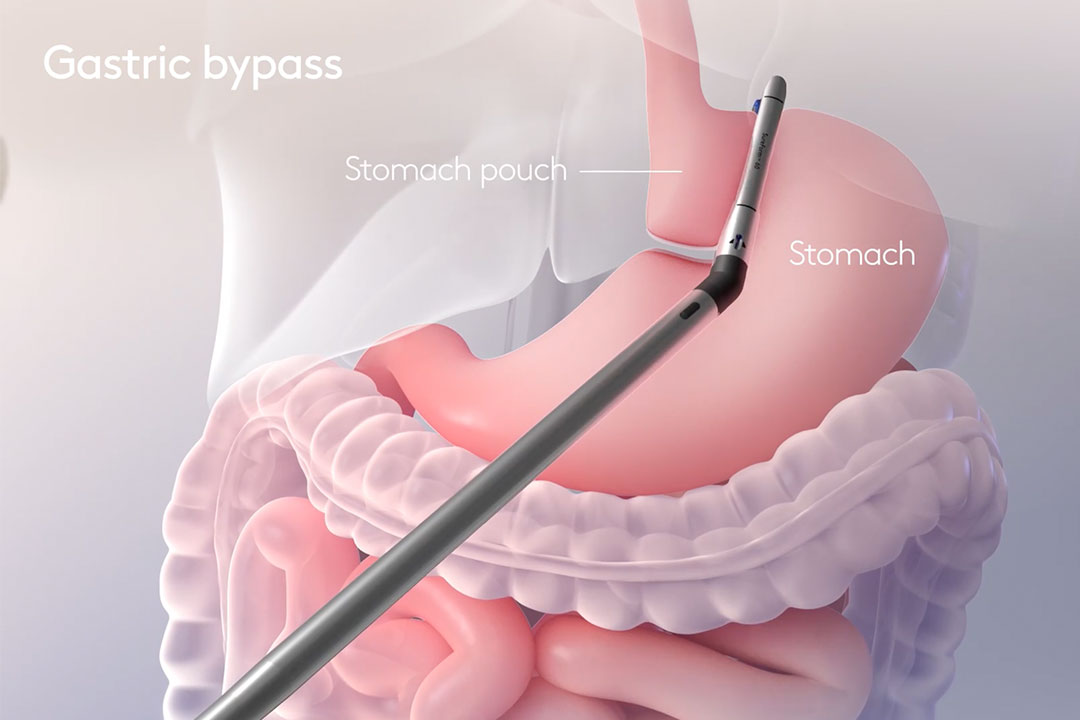
Gastric bypass surgery

Gastric bypass, or Roux-en-Y surgery, is an operation that reduces your stomach size while also rerouting your small intestine to decrease food absorption.3

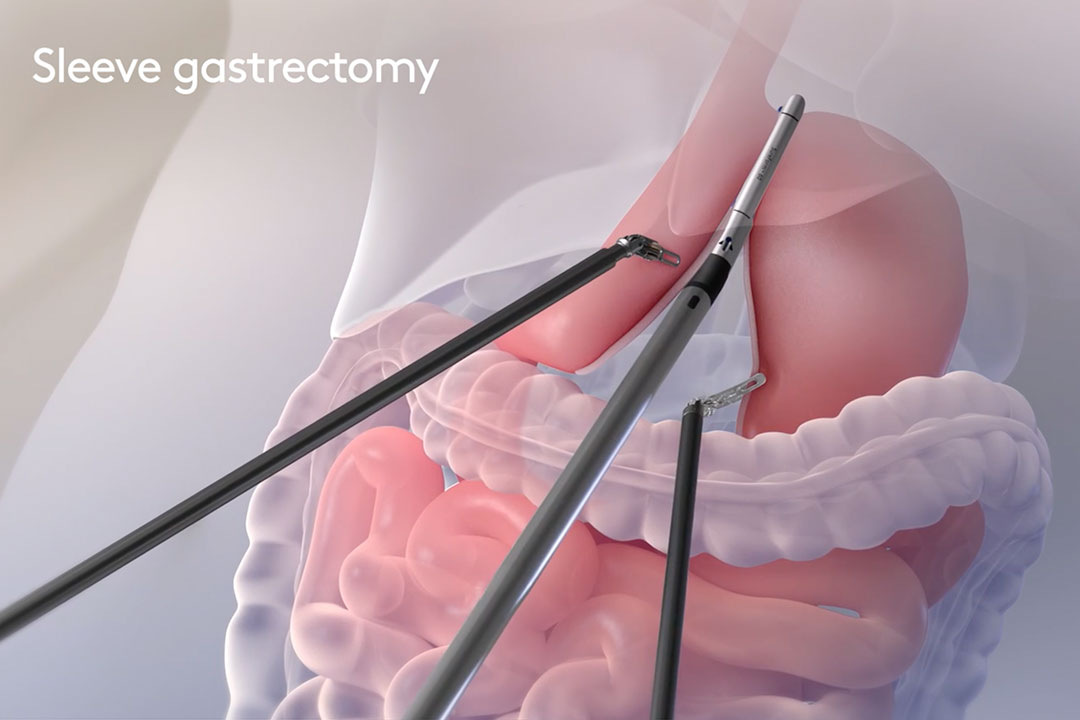
Sleeve gastrectomy surgery

Sleeve gastrectomy, or gastric sleeve surgery, is an operation that reduces your stomach size by about 80 percent to limit the amount of food it can hold.3

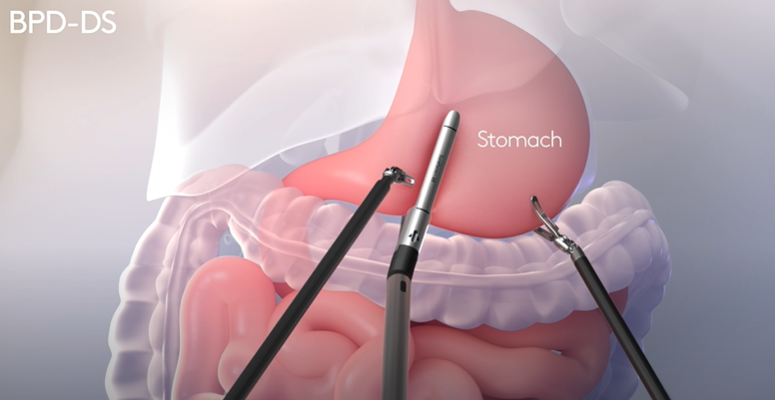
BPD/DS

Biliopancreatic diversion with duodenal switch (BPD/DS) surgery removes a large portion of the stomach and reroutes the small intestine to bypass most of it. This decreases hunger and increases the sense of fullness. This also significantly decreases absorption of calories and nutrients.3

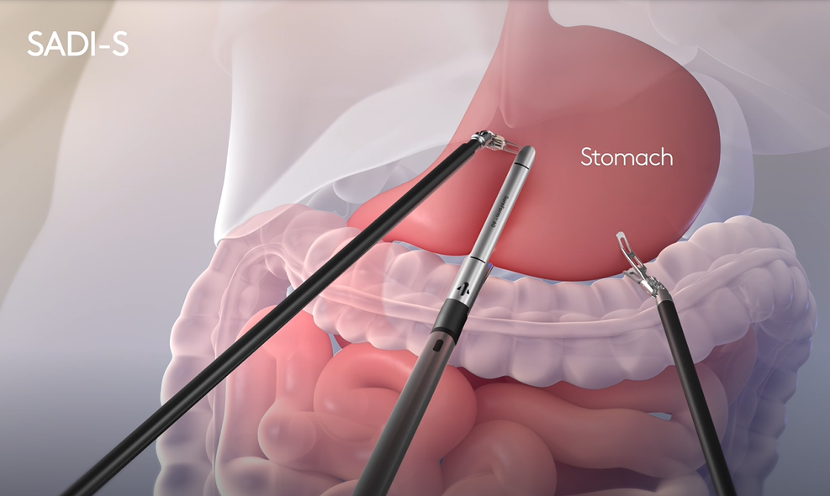
SADI-S surgery

Single anastomosis duodeno–ileal bypass with sleeve gastrectomy is a newer version of duodenal switch surgery. It begins with a sleeve gastrectomy and includes rerouting the small intestine. But instead of two connections of the intestine, it uses a single connection, making it less complex but still highly effective for weight loss.3

Bariatric surgery with the da Vinci system

With the da Vinci system, your surgeon sits at a console near you in the operating room. Through the console, the surgeon controls a camera and the tiny instruments used to perform your surgery through a few incisions about the size of your fingertip.

The system delivers 3D high-definition views, giving your surgeon a crystal-clear view of the surgical area magnified 10 times what the human eye sees. It translates every movement your surgeon makes in real time, bending and rotating instruments that move like a human hand, but with a greater range of motion. Built-in tremor filtration technology helps your surgeon move each instrument with smooth precision.

The da Vinci system is a tool used to perform minimally invasive bariatric surgery, but it does not treat obesity alone long term.

The demonstration of safety and effectiveness for the representative specific procedures including bariatric surgery was based on evaluation of the device as a surgical tool and did not include evaluation of outcomes such as weight loss as well as outcomes related to the treatment of cancer (overall survival, disease-free survival, local recurrence), except for radical prostatectomy (da Vinci Xi/X) which was evaluated for overall survival, or treatment of the patient’s underlying disease/condition. Device usage in all surgical procedures should be guided by the clinical judgment of an adequately trained surgeon.